Yara Walter · 8 September 2026
Meadfield Locals Pioneer Citizen Science Project to Track Seasonal Insect Patterns
Residents in Meadfield have launched a citizen science initiative focused on documenting seasonal shifts in insect populations across local habitats, and the effort draws on coordinated observations that began gaining momentum in September 2026. The project combines weekly field counts with digital recording tools to build a dataset that researchers can compare against broader regional trends.
Project Origins and Timeline
Local volunteers first organized the program after noticing gaps in existing biodiversity records for the area, and they partnered with nearby academic institutions to standardize data collection protocols. By September 2026 the group had expanded from an initial dozen participants to more than eighty registered observers who cover multiple sites including hedgerows, ponds, and woodland edges. Data indicates that early submissions already captured emergence patterns for several moth species that typically appear later in the season according to historical baselines.
Methods and Tools Employed
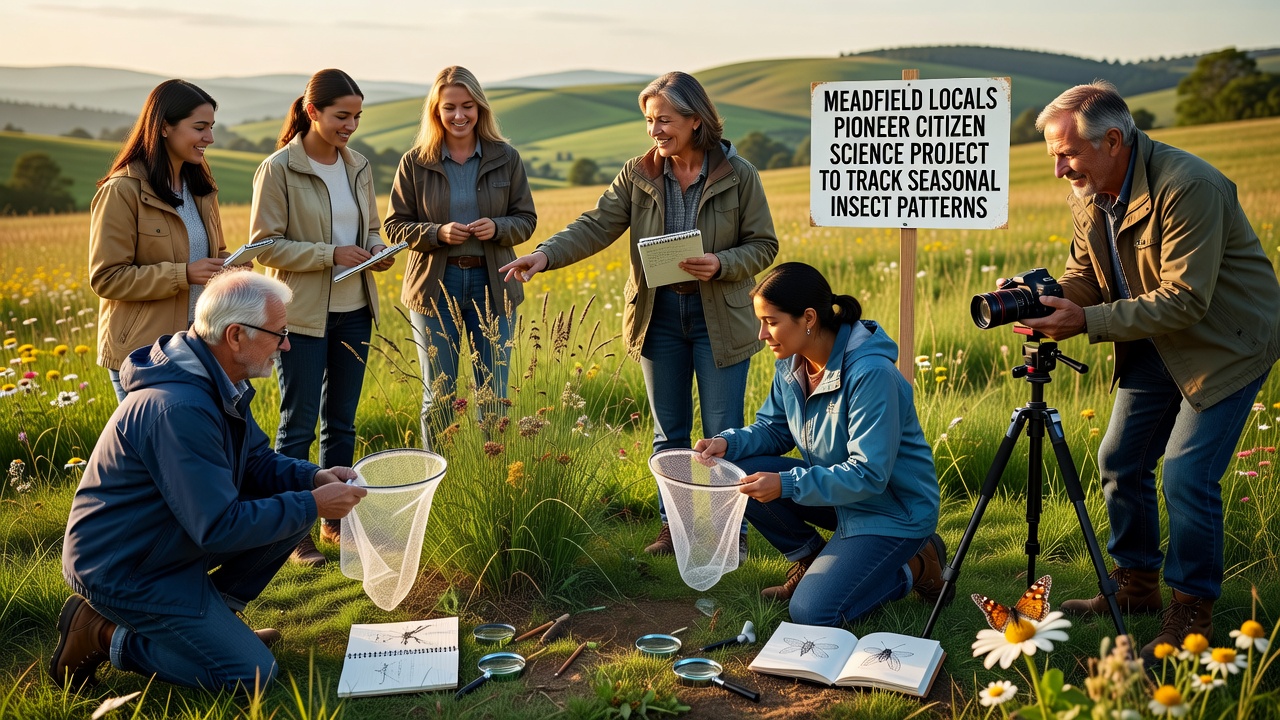
Participants use standardized sweep nets, pitfall traps, and pheromone lures alongside a shared mobile application that timestamps each sighting and uploads photographs for verification. Training sessions cover identification of common orders such as Coleoptera and Diptera, while quality control relies on cross-checks by entomologists who review a random sample of entries each month. Observers note that combining manual counts with light traps has produced consistent records of nocturnal activity that single-method approaches often miss.
Data Patterns Observed So Far
Records compiled through the first full annual cycle show earlier peak abundance for certain pollinators during spring months compared with records from five years prior, and summer data reveals a decline in overall beetle diversity at two monitored grassland patches. Figures reveal that hoverfly sightings increased by approximately eighteen percent in September 2026 relative to the same period the previous year, a shift that aligns with temperature anomalies recorded by the national meteorological service. Those who manage the database emphasize that continued multi-year collection remains necessary before attributing changes to specific drivers such as habitat modification or climatic variation.
Community Participation and Training
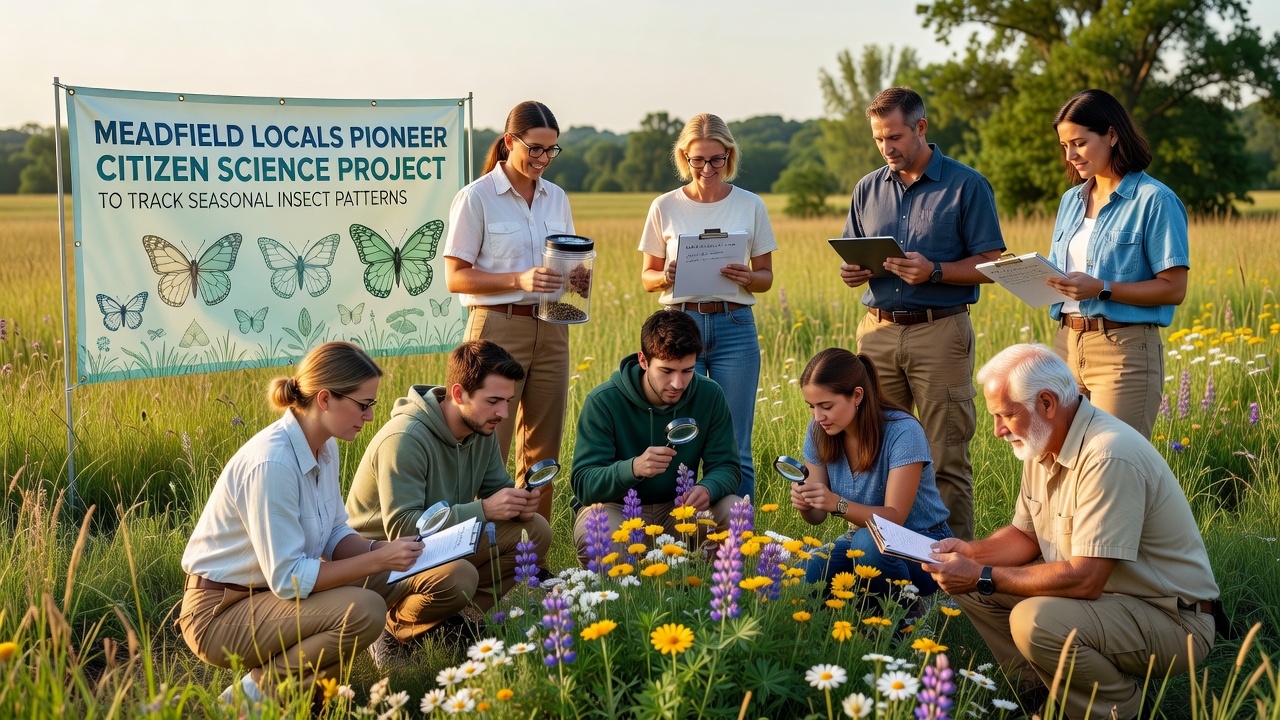
Schools in the parish have integrated the project into outdoor education modules, and students contribute counts of aphids and ladybirds during scheduled visits to designated plots. Evening workshops hosted at the village hall introduce identification keys and safety procedures for handling specimens, while a rotating schedule ensures coverage of all sites even during adverse weather. Data shows that retention rates among volunteers exceed seventy percent after six months, a figure that organizers link to regular feedback sessions where preliminary findings are shared with the group.
Broader Connections and Comparisons
The Meadfield dataset feeds into national biodiversity monitoring networks, and it supplies ground-truth observations that complement satellite-derived vegetation indices used by the Australian Department of Climate Change, Energy, the Environment and Water in comparable habitat studies. Parallel programs in other regions, including those coordinated through the US Geological Survey Northern Prairie Wildlife Research Center, employ similar citizen protocols, which allows analysts to test whether patterns observed locally reflect wider geographic trends.
Future Steps and Data Sharing
Project leads plan to expand trap coverage into adjacent farmland during the next phase, and they intend to publish an annual summary report that includes raw counts alongside trend graphs. Open-access portals will make anonymized records available to university researchers studying phenology shifts, while local authorities have expressed interest in using the information to guide hedgerow restoration priorities. Continued involvement from new volunteers remains essential for maintaining the sampling density required to detect subtle seasonal deviations.
Conclusion
The Meadfield citizen science effort demonstrates how sustained local observation can generate usable datasets on insect seasonality, and the structured approach taken by participants supports integration with larger monitoring frameworks. As records accumulate through 2027 and beyond, the project supplies a concrete example of community-driven contributions to ecological monitoring without relying on professional staff alone.