Yara Walter · 20 October 2026
Weather Shifts Drive Dual Responses in Meadfield's Beekeeping and Flood Defense Efforts
Weather patterns across Meadfield have shifted noticeably in recent years, prompting coordinated adjustments in local beekeeping practices and flood defense infrastructure. Data from monitoring stations shows altered rainfall distribution and temperature fluctuations that affect both pollinator cycles and water management systems simultaneously.
Beekeeping Adaptations to Seasonal Changes
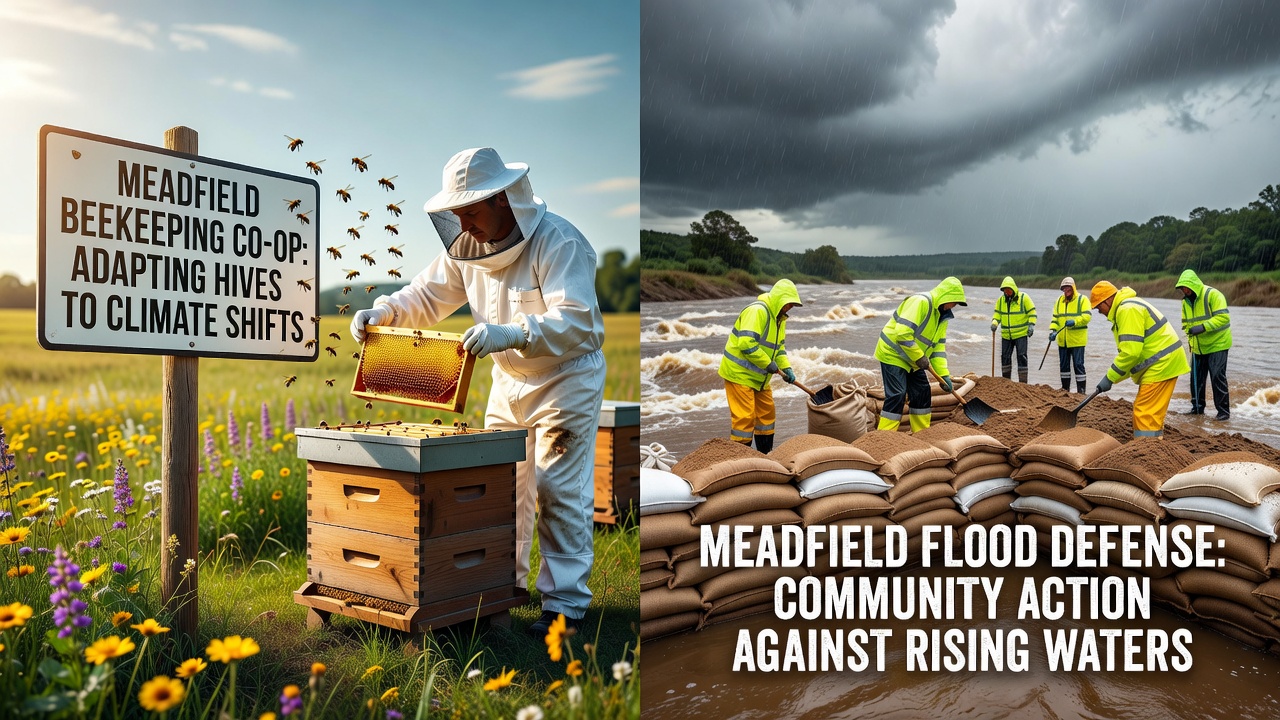
Beekeepers in Meadfield have modified hive placement and inspection schedules since temperature records indicated earlier springs and extended autumns. These adjustments align colony development with available forage, while researchers note that certain wildflower species now bloom at different intervals than in previous decades. Local groups track these variations through standardized observation logs, which feed into regional databases maintained by agricultural extension services.
October 2026 brought unseasonal warmth that extended nectar flows into late fall, allowing some colonies to build additional stores before winter. This development required extra feeding interventions in other locations where cooler snaps followed the mild period abruptly. Equipment suppliers report increased demand for insulated covers and moisture control systems as humidity levels fluctuate more widely during transitional months.
Flood Defense Infrastructure Updates
Flood defense projects in Meadfield incorporate real-time sensor networks that respond to precipitation forecasts issued by national meteorological agencies. These systems trigger automated alerts for temporary barriers along low-lying routes, and maintenance crews have increased inspection frequency following data that showed higher peak river levels during shorter storm events. Construction records indicate completion of reinforced embankments along the eastern boundary in 2025, with additional culvert upgrades scheduled through 2027.
Integrated Community Approaches
Local coordination meetings now regularly include representatives from both beekeeping associations and flood management teams because weather events influence both activities concurrently. Shared mapping tools overlay hive locations with drainage zones to identify areas where one response might support the other. For instance, improved water retention features near apiaries reduce runoff while creating habitat buffers that benefit pollinators during dry spells.
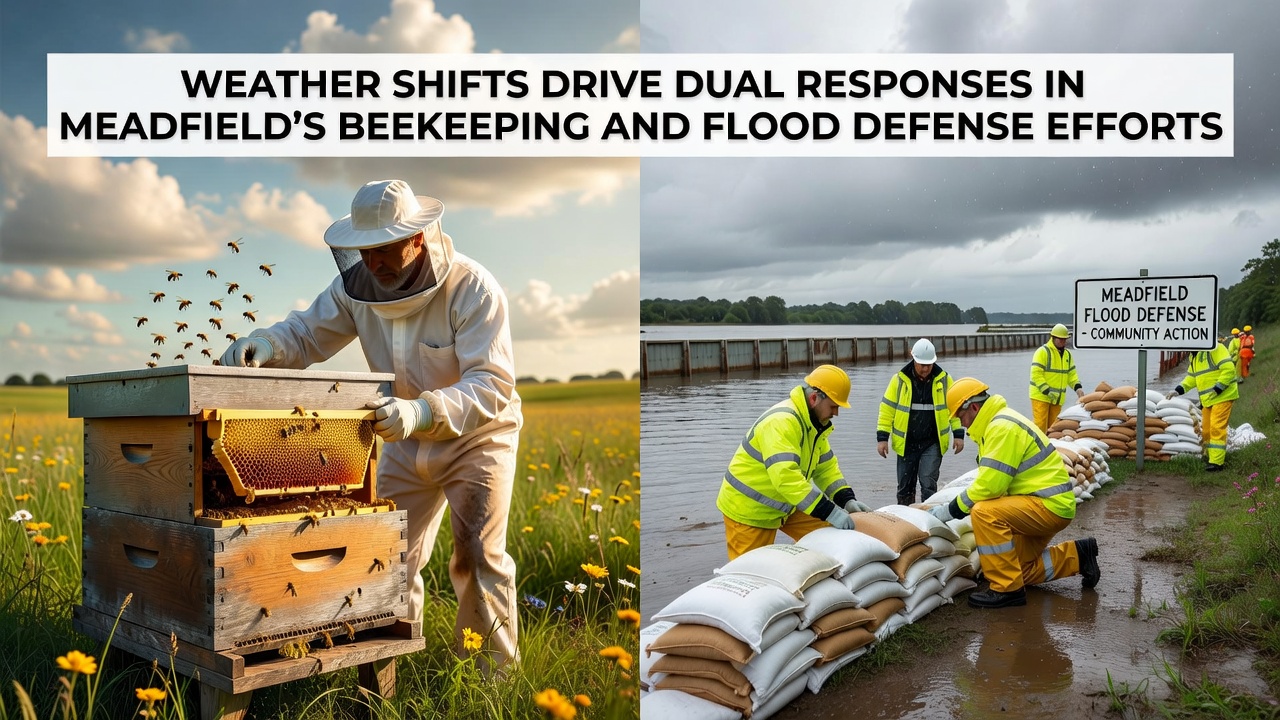
Training sessions organized by the parish council cover both topics in single workshops, covering topics such as hive relocation during flood warnings and the use of weather apps that integrate flood risk indicators. Attendance figures from the most recent session held in September 2026 reached 87 participants, reflecting broad community involvement according to council minutes.
Data Sources and Monitoring Efforts
Records compiled by the Environment Agency show that Meadfield experienced 12 percent more intense rainfall events between 2020 and 2025 compared with the preceding five-year period. Similar datasets from Met Office climate summaries confirm shifts in seasonal temperature averages that affect both agricultural calendars and water flow modeling. Beekeeping organizations contribute colony health metrics that researchers cross-reference with these environmental indicators to identify correlations.
University studies conducted in partnership with regional land managers have examined how altered flowering times influence hive productivity while simultaneous flood modeling projects test barrier effectiveness under updated rainfall projections. Findings from these parallel investigations appear in joint reports issued quarterly, allowing Meadfield residents to review evidence-based recommendations without separate information channels.
Conclusion
Weather shifts continue to shape responses across Meadfield's beekeeping operations and flood defense systems through interconnected monitoring and planning processes. Ongoing data collection from multiple agencies supports adjustments that address both sectors within the same framework, and community participation sustains these efforts through regular information exchange. Future updates will reflect additional measurements gathered during the 2026-2027 season.